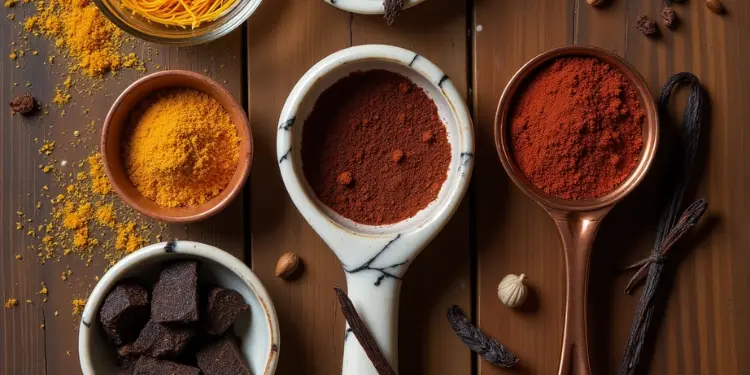
In the world of culinary arts, certain ingredients bring a unique depth of flavour, aroma, and character to dishes. These specialty ingredients can transform simple recipes into extraordinary meals and introduce you to new culinary horizons. Here are the top five ingredients that every adventurous cook should consider adding to their pantry, along with tips on how to use them and references to deepen your understanding.
1. Saffron
Use: Saffron is the world’s most expensive spice, derived from the stigma of the Crocus sativus flower. Its vibrant golden colour and distinctive floral aroma make it a prized addition to rice dishes, paellas, risottos, and desserts. Just a few threads can infuse a dish with complex, earthy notes and a beautiful hue.
How to Use: Soak saffron threads in warm water or milk before adding to dishes to release their full flavour. Use sparingly—typically a pinch per serving is enough.
References:
- “The Saffron Tales” by Yasmin Khan offers recipes and stories behind saffron’s cultural significance.
- The New York Times Cooking – How to Use Saffron provides practical tips for selecting and using quality saffron.
2. Harissa
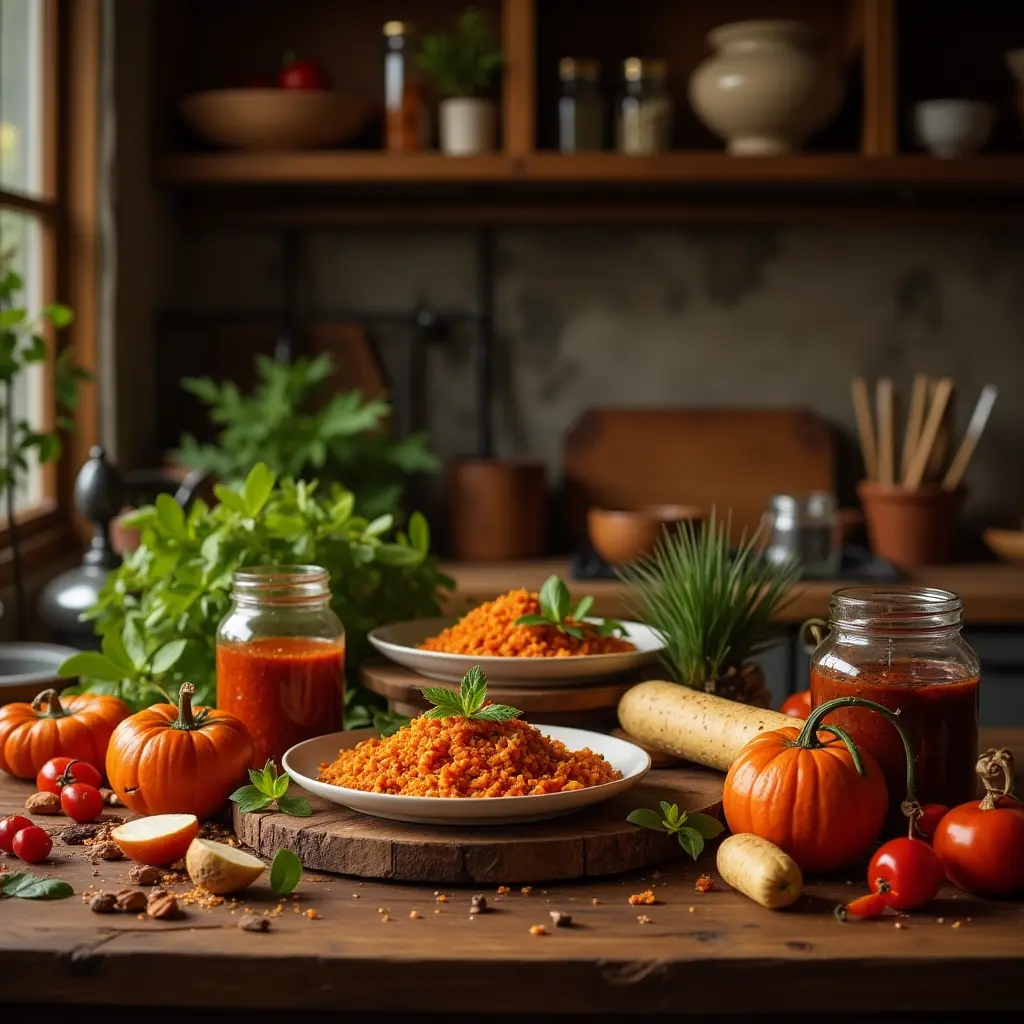
Use: Harissa is a North African chili paste made from roasted red peppers, garlic, spices, and olive oil. It adds smoky heat and depth to stews, grilled meats, vegetables, and even breakfast dishes.
How to Use: Stir into soups, marinades, or spread on bread before grilling. It’s also fantastic as a condiment or dipping sauce.
References:
- “The Tunisian Cookbook” by Souad Naciri explores traditional recipes featuring harissa.
- Serious Eats – How to Make and Use Harissa offers a step-by-step guide to making your own and creative ways to incorporate it.
3. Sumac
Use: Sumac is a tangy, lemony spice made from dried and ground berries. It’s a staple in Middle Eastern cuisine, adding brightness and acidity to salads, grilled meats, dips, and roasted vegetables.
How to Use: Sprinkle over dishes just before serving or incorporate into spice blends like za’atar. It’s a natural substitute for lemon juice when a dry, tart flavor is desired.
References:
- “The Middle Eastern Kitchen” by Ghillie Basan features recipes and insights on using sumac and other spices.
- The Spruce Eats – How to Cook with Sumac provides a comprehensive overview of its culinary applications.
4. Lemongrass
Use: Lemongrass is a fragrant herb commonly used in Southeast Asian cuisine, especially Thai and Vietnamese dishes. Its citrusy aroma enhances soups, curries, and marinades.
How to Use: Bruise or finely chop the stalks to release flavour. Use fresh or dried, but fresh lemongrass provides the most vibrant aroma. Remove the tough outer layers after bruising before cooking.
References:
- “The Complete Asian Cookbook” by Charmaine Solomon offers a wide range of recipes featuring lemongrass.
- Saveur – How to Use Lemongrass provides practical tips and recipes.
5. Miso Paste
Use: Miso is a fermented soybean paste that adds umami depth and richness to soups, marinades, dressings, and sauces. It’s a cornerstone of Japanese cuisine but has universal appeal.
How to Use: Dissolve in hot water for soup bases, or whisk into dressings, glazes, or even mashed potatoes to boost flavor.
References:
- “The Miso Book” by Harumi Kurihara delves into varieties and uses of miso in cooking.
- America’s Test Kitchen – How to Use Miso offers a detailed guide for incorporating miso into everyday cooking.